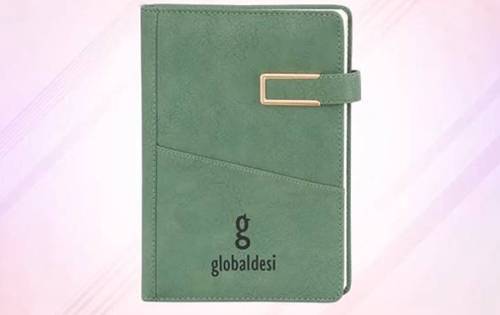
Let’s be honest, holding a fresh, crisp notebook is a feeling digital apps just cannot quite replace. The tactile experience of putting a pen to real paper helps us think clearer and remember better. But as we become much more aware of our environmental footprint, the guilt of consuming traditional tree-based products has started to creep into our daily lives. The stationery industry heard this loud and clear. Over the past few years, we have seen a massive, structural shift in how paper products are sourced, processed, and ultimately sold. The demand for eco-friendly alternatives is no longer just a passing fad; it is a permanent consumer expectation. So, how exactly are Notebook Manufacturerskeeping up with this green revolution without sacrificing the quality we expect?
Moving Away from Virgin Pulp
The most obvious pivot is the aggressive shift toward recycled paper because for decades, the standard was virgin wood pulp, which inherently meant cutting down mature trees. Now, production lines are heavily prioritizing post-consumer waste (PCW). This means the paper we toss into our home and office recycling bins actually makes its way back to our desks. Processing PCW requires significantly less water and energy compared to breaking down raw wood.
Exploring Tree-Free Alternatives: Notebook Manufacturers
What if we did not need trees to make paper at all? The market is currently seeing a fascinating boom in alternative, fast-growing fibers and so, bamboo is leading the charge right now because it grows back incredibly fast from its own roots without needing harsh chemical fertilizers or pesticides. We are also seeing highly innovative paper made from agricultural waste like wheat straw, cotton rags, and even stone. Yes, stone paper, which mixes recycled calcium carbonate with a small amount of non-toxic resin—is completely tear-resistant, waterproof, and does not require a single drop of water or bleach to manufacture.
Ditching Toxic Inks and Glues
Sustainability absolutely does not stop at the paper itself. Traditional commercial printing relies heavily on petroleum-based inks and synthetic glues, which make recycling difficult and release harmful volatile organic compounds (VOCs) into the air. To adapt, smart Customised Diary Manufacturers like Gifts & Promotions Internationalis actively switching to soy or vegetable-based inks. These alternatives are fully biodegradable and make the de-inking process much easier when the notebook is eventually recycled again. Bindings are changing too, with a noticeable move away from cheap plastic spirals toward natural cotton threading and water-based adhesives.
Meeting the Corporate Demand for Green Gifting
The push for sustainability isn't just coming from individual retail buyers; corporate clients are aggressively demanding it. Companies want their branded merchandise to actually reflect their internal environmental and social goals. Because of this, reliable Customised Diary Manufacturers are completely overhauling their custom catalog offerings. When corporate teams order year-end planners, seminar notebooks, or new-hire onboarding kits, they now specifically request recycled covers, sustainable inserts, and zero-plastic packaging. If a manufacturer cannot provide a certified, genuinely green option today, they simply lose the contract to someone who can.
Key Pointers on Sustainable Adaptation
- Since we need a quick breakdown of exactly how this industry is evolving its production lines, here are the main pointers detailing their core adaptation strategies:
- Prioritizing Post-Consumer Waste (PCW): Heavily reducing reliance on raw wood pulp to save old-growth forests and drastically lower factory energy consumption.
- Sourcing Alternative Fibers: Utilizing fast growing, renewable resources like bamboo, hemp and leftover agricultural byproducts.
- Switching to Eco-Inks: Replacing harsh petroleum based printing materials with vibrant, biodegradable soy and vegetable-based inks.
- Acquiring Strict Certifications: Securing FSC (Forest Stewardship Council) certifications which proves to consumers that their raw materials are responsibly and ethically sourced.
The Future is Green
The transition to sustainable practices is a massive, expensive heavy lift for any legacy industry, but the stationery world is proving that it is entirely possible. As we continue to demand better, cleaner, and greener products, notebook creators will keep innovating. The next time we jot down a quick idea, sketch a design, or map out a big project, we can do it with total peace of mind, knowing the paper beneath our pen is no longer costing the earth.